Going-to-the-Sun Road
The Going-to-the-Sun Road takes visitors through the heart of
Glacier National Park, cresting the Continental Divide at Logan
Pass. The engineering marvel and National Historic Landmark
connects West Glacier and St. Mary, delivering stunning views of
towering peaks, alpine valleys, wildflowers, waterfalls and
wildlife.
Numerous scenic pullouts along the way offer plenty of
opportunities to stop, take it all in, and photograph the
scenery. One of the most scenic drives in America, it's the
park's most iconic experience—and one worth planning carefully.
When to Travel
The lower elevation sections of the Going-to-the-Sun Road
remain open all year. The summer opening of the alpine portion
varies based on snowfall and plowing operations—there's no set
date, but the road is typically fully open by early July and
usually remains open until the third Monday of October, weather
and road conditions permitting.
How to Travel
Visitors can travel the road by private vehicle, by
reservation-only park shuttle, or on an interpretive tour aboard
a historic red bus with Xanterra
or with Sun Tours.
Hiking Along the Way
Hiking trails are accessible at various points along the
Going-to-the-Sun Road. Parking is limited but you must park in a
designated parking spot; you can’t just park in the road. In 2026,
park shuttles will stop at The Loop (afternoons only) and Logan
Pass only, no other trailheads.
Logan Pass + Visitor Center
Located near the midpoint of the Going-to-the-Sun Road, Logan
Pass sits high along the Continental Divide and marks the highest
point accessible by vehicle in Glacier National Park. This alpine
hub is home to the Logan Pass Visitor Center and serves as a
gateway to popular hikes, scenic overlooks and interpretive
programs. Starting July 1, 2026, parking at Logan Pass is limited
to three hours—enough time to visit the Visitor Center, catch an
interpretive program or hike to Hidden Lake Overlook.
Visitors planning longer hikes, such as the Highline Trail to
Granite Park Chalet, must use the shuttle or arrange for
alternate transportation for drop off and pick up.
Shuttle Services
In 2026, park shuttles will operate as a reservation-only
express service. The shuttles will stop at The Loop (afternoons
only) and Logan Pass only, no other trailheads. Express shuttle
routes serve Logan Pass from both sides of the road: west side
departures from Apgar Transit Center and Lake McDonald Lodge,
east side departures from St. Mary Visitor Center and Rising Sun.
Tickets are $1 and sold exclusively through Recreation.gov—not
inside the park. Tickets are limited; book 60 days in advance or
the night before. Learn more here.
The shuttle services begin on July 1, 2026.
For more information, visit the National Park Service.
Biking the Going to the Sun Road, Vehicle-Free
The Going-to-the-Sun Road also offers a unique opportunity for
spring bicycling when the road is still closed to vehicles. This
typically occurs from late April to early June, before the alpine
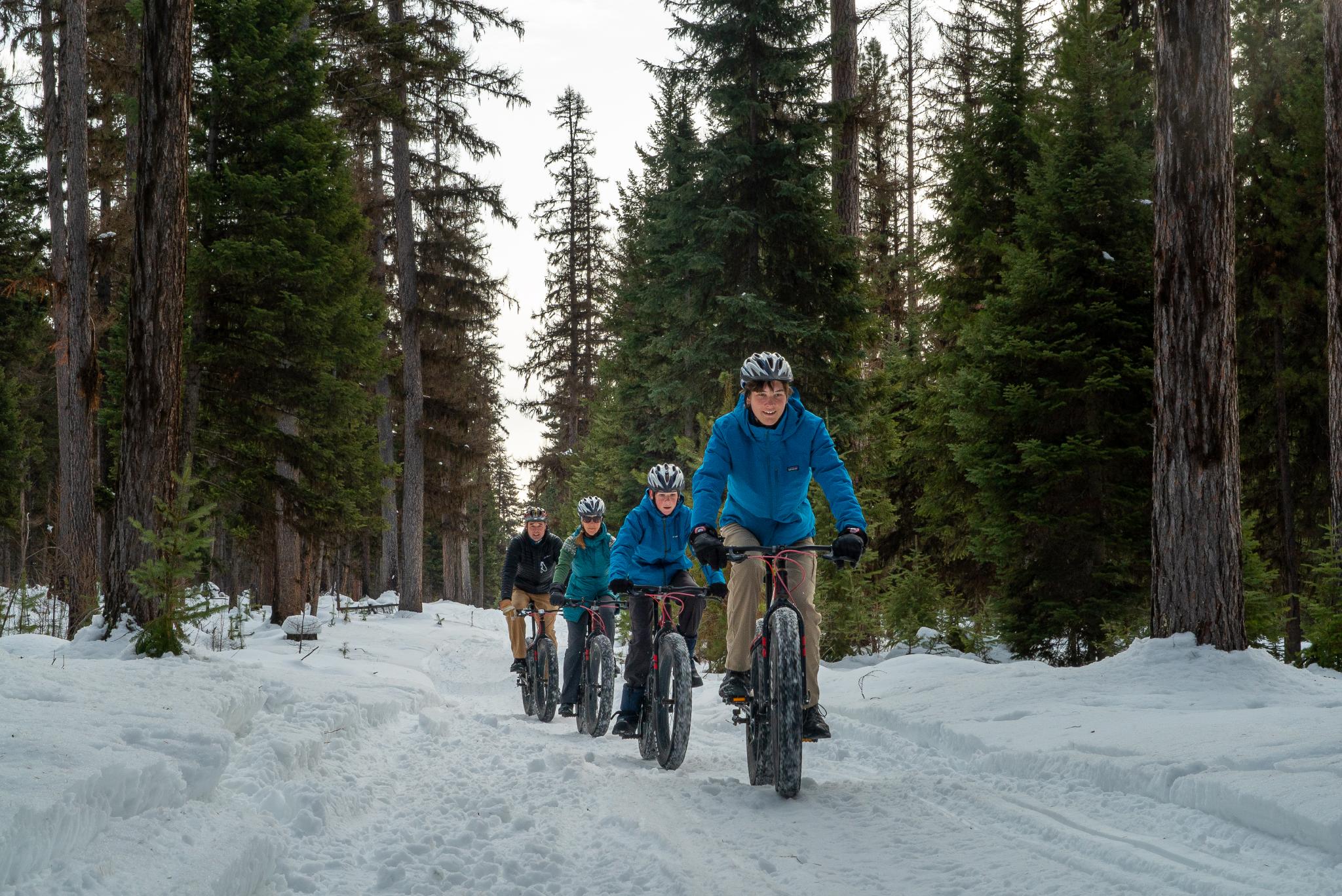
section opens to cars. (In winter, the road is also popular for
snowshoeing and cross-country skiing, and there is often a small
window in late October after the alpine section closes to vehicles.)
Ride from Avalanche on the west side or Jackson Glacier
Overlook on the east side. Weather and road work dictate what
sections of the road are open for hikers and bikers, and you must
pay attention to closures. Ebikes are allowed. Guided trips are
available. Current road status info is here.
See the Spring Biking section here
for distances, elevation gain and safety info.
New in 2026
Glacier National Park will not require vehicle reservations in
2026. Read our Glacier National Park in 2026 blog post
for more information on more 2026 updates, including entrance fees
and more. Please also note that Two Medicine Campground will be
closed in 2026 due to construction.
PLEASE TRAVEL AND RECREATE RESPONSIBLY
Plan well, monitor and adjust, stay safe, and be respectful,
kind, patient and prepared.